

Ecommerce entrepreneurs frequently face significant challenges that impede growth, particularly when it comes to refining sales funnel strategies, boosting conversion, optimizing marketplace presence, excelling in D2C operations, and enhancing catalog performance.
These aren’t minor hiccups; they are foundational issues that can derail an entire business, costing merchants valuable revenue and customer trust. Addressing these common mistakes requires a strategic and proactive approach to truly thrive in the competitive online landscape of 2026.
Key Takeaways
Sales Funnel Neglect: Many D2C brands fail to optimize their sales funnel, leading to high cart abandonment and low conversion rates.
Poor Marketplace Visibility: Sellers often struggle with discoverability and poor catalog performance on platforms like Amazon and Flipkart.
Ignoring Customer Feedback: Overlooking reviews and testimonials means missing crucial opportunities for product and service improvement.
Inefficient Inventory Management: Both overstocking and understocking lead to financial losses and dissatisfied customers.
Lack of Personalization: Generic shopping experiences alienate modern consumers who expect tailored recommendations.
Subpar Mobile Experience: A non-responsive or slow mobile site drives away a significant portion of potential customers.
Weak Value Proposition: Many brands struggle to articulate what makes them unique, failing to stand out in a crowded market.
Inadequate SEO: Poor search engine optimization hinders organic traffic and brand visibility across all channels.
Untracked Metrics: Operating without clear KPIs makes it impossible to identify problems or measure the success of corrective actions.
The Evolution of E-commerce Over the Last Decade
The e-commerce landscape has transformed dramatically over the past decade, shifting from nascent online shops to a sophisticated ecosystem driven by mobile technology, social commerce, and personalized experiences.
Originally, e-commerce was primarily about replicating a physical catalog online, offering a basic transaction portal. Today, it’s a dynamic, interactive journey for the consumer, with businesses needing to master everything from lightning-fast logistics to hyper-targeted advertising.
Key changes include:
Mobile Shopping Dominance: What began as desktop-centric browsing has unequivocally shifted to smartphones. Mobile transactions now account for over 70% of online sales in India, making a mobile-first approach non-negotiable for any merchant aiming for high conversion.
Social Media Integration: Platforms like Instagram, Facebook, and WhatsApp have transitioned from mere engagement channels to powerful selling ecosystems. Social commerce, where purchases happen directly within social apps, is a significant growth driver, especially for D2C brands.
Hyper-Personalization: Generic shopping experiences are a thing of the past. Sophisticated AI and machine learning algorithms now tailor product recommendations, promotional offers, and even website layouts to individual consumer preferences, significantly impacting sales funnel strategies.
Rise of the D2C Model: Many brands are bypassing traditional retailers and marketplaces to sell directly to consumers, offering greater control over brand identity, customer data, and profit margins. This model, however, demands strong in-house expertise in areas like marketing, logistics, and customer service.
Marketplace Consolidation & Specialization: While giants like Flipkart and Amazon India continue to dominate, there’s also a rise in niche marketplaces catering to specific product categories or customer segments, creating both opportunities and challenges for marketplace discoverability and catalog performance.
Despite these advancements, many merchants, even in 2026, repeat costly mistakes that hinder their growth. The fundamental principles of attracting, engaging, and converting customers often get overlooked amidst the rapid technological shifts.
Common Mistakes Still Plaguing Merchants
Neglecting these issues can be expensive, often leading to stagnant growth and lost revenue opportunities for e-commerce businesses. Many of these pitfalls stem from a lack of strategic planning and an inability to adapt to the rapidly evolving digital marketplace.
Neglecting Sales Funnel Strategies and Conversion Optimization for D2C Founders
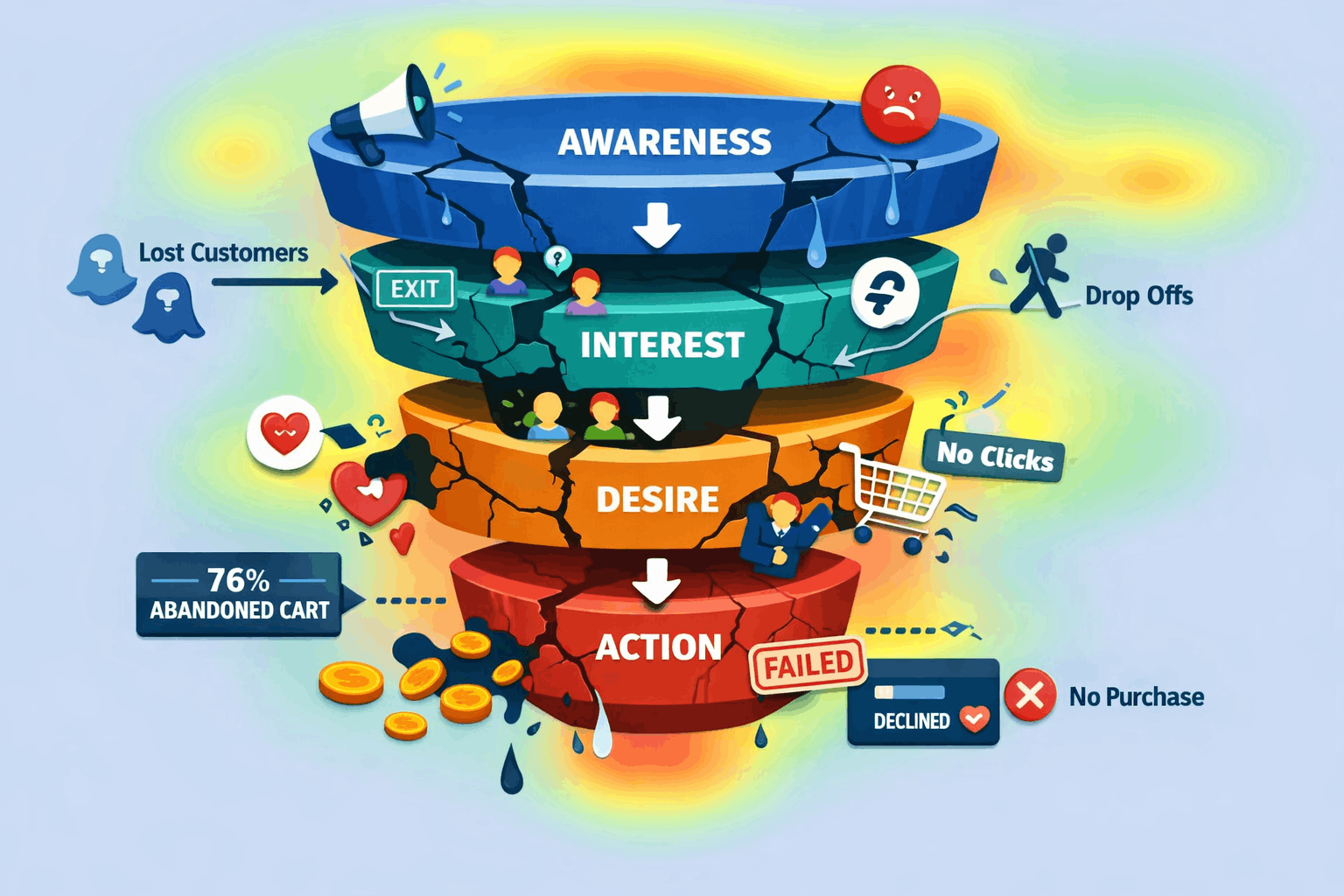
Many D2C founders fail to meticulously map and optimize their sales funnel, resulting in high bounce rates and abandoned carts. A well-defined sales funnel is not just a theoretical concept; it’s a practical blueprint for guiding potential customers from initial awareness to final purchase, and its optimization is crucial for maximizing conversion. For example, a common error I’ve observed is businesses investing heavily in advertising to drive traffic but failing to streamline the checkout process, leading to a significant drop-off at the payment stage.
This impacts not only immediate sales but also customer lifetime value (CLV).
Lack of Clear Stages: Without clearly defined stages (Awareness, Interest, Desire, Action – AIDA), it’s impossible to identify where potential customers are dropping off. Each stage requires different content and calls to action.
Poor Landing Page Experience: If the landing page doesn’t immediately deliver on the promise of the ad or marketing material, visitors will bounce. Slow load times, confusing layouts, or irrelevant information are major conversion killers.
Complicated Checkout Process: Too many steps, mandatory account creation, or hidden costs at checkout are primary reasons for cart abandonment. Research by Statista in 2023 indicated that over 17% of online shoppers abandoned a cart due to a “too long/complicated checkout process” globally.
Absence of Urgency/Scarcity: Without compelling reasons to buy now, customers often defer purchases, leading to lost sales. Flash sales, limited stock alerts, or countdown timers can nudge fence-sitters.
Ignoring Post-Purchase Engagement: The sales funnel doesn’t end at conversion. Neglecting follow-up emails, loyalty programs, or review requests means missing opportunities for repeat business and customer advocacy.
Poor Marketplace Discoverability and Catalog Performance for Marketplace Sellers
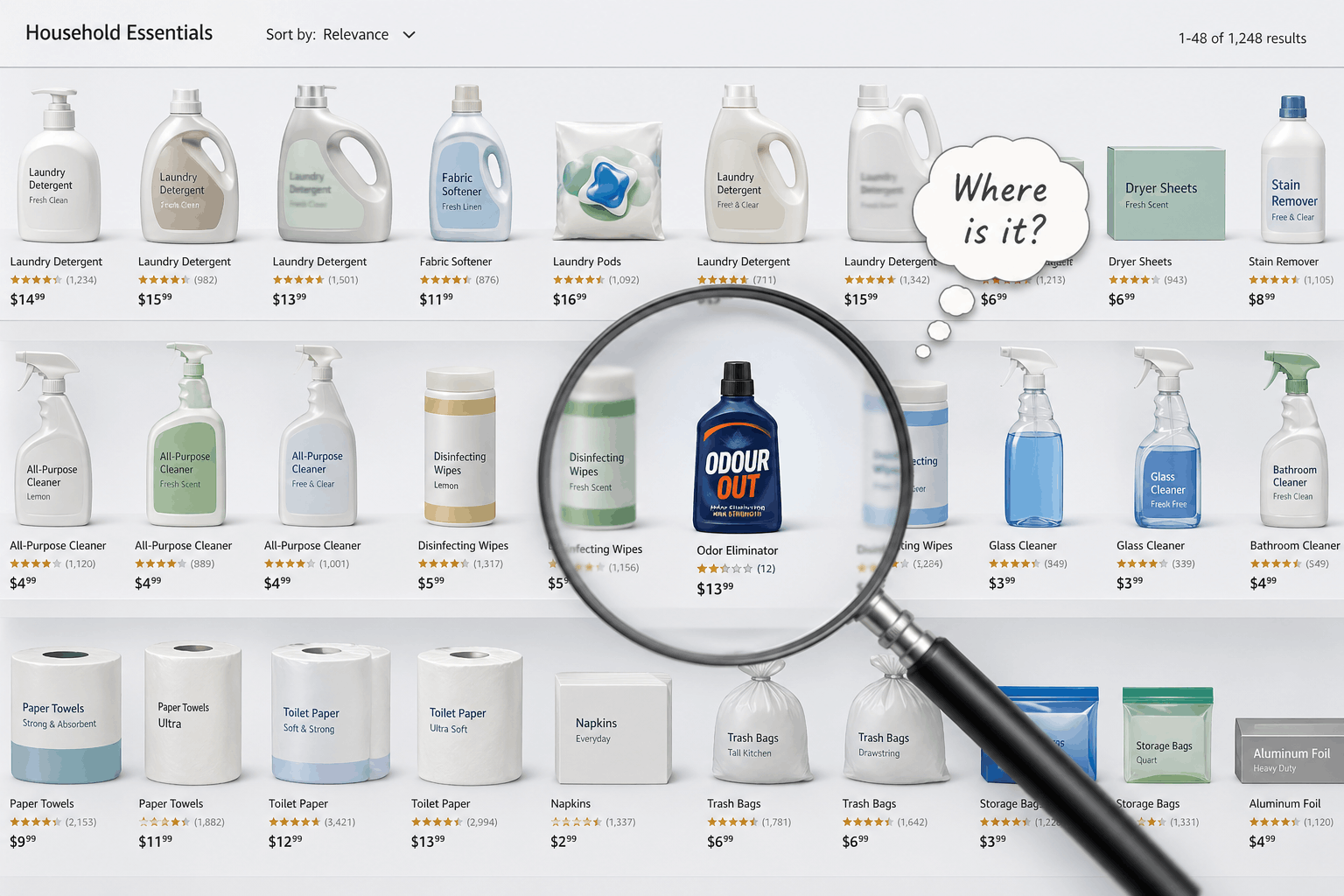
Marketplace sellers often struggle significantly with getting their products discovered and maintaining strong catalog performance on platforms like Amazon, Flipkart, or Myntra, directly impacting their sales velocity. The sheer volume of products on these platforms means that simply listing an item isn’t enough; strategic optimization is required to cut through the noise.
I once consulted for a jewelry brand that had beautiful products but used generic, single-word titles and poor-quality images. Their sales were dismal until we overhauled their catalog with detailed descriptions, professional photography, and targeted keywords, resulting in a 300% increase in sales velocity within a quarter.
Substandard Product Listings: This includes low-resolution images, incomplete or inaccurate product descriptions, and a lack of key features or specifications. On marketplaces, your listing is your storefront.
Inadequate Keyword Research: Products won’t appear in relevant searches if the listing doesn’t use the keywords customers are actively searching for. Generic keywords or stuffing irrelevant terms can hurt discoverability.
Ignoring Marketplace SEO Algorithms: Each platform has its own algorithms that prioritize certain listings. Factors like sales history, customer reviews, fulfillment speed, and conversion rates play a crucial role in product ranking.
Lack of Competitive Pricing Strategy: Being priced too high or too low without justification can deter buyers. Constantly monitoring competitor pricing and adjusting offers (e.g., bundles, discounts) is vital.
Poor Inventory Health and Fulfillment: Running out of stock frequently or having slow delivery times negatively impacts your seller rating and product visibility, pushing your catalog down in search results. Amazon’s A9 algorithm, for instance, heavily favors products with consistent availability and fast shipping.
Ignoring Customer Feedback
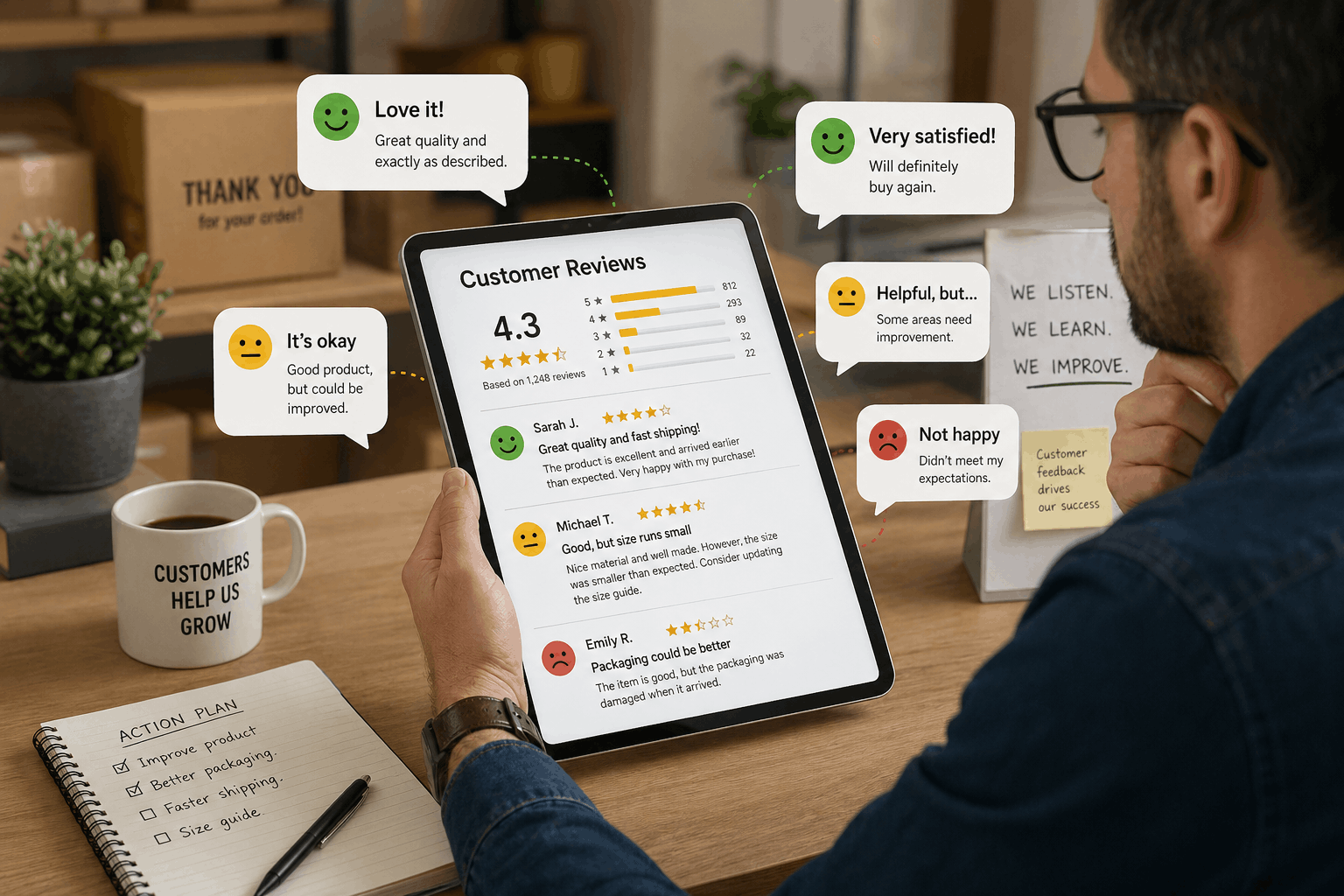
Many merchants, unfortunately, view customer feedback—especially negative reviews—as an annoyance rather than a goldmine of insights, missing critical opportunities for product and service improvement. In 2026, customers expect brands to not only listen but also respond and adapt based on their experiences.
A single negative review, if addressed professionally and publicly, can turn a detractor into a loyal advocate, while ignored feedback can lead to widespread dissatisfaction and reputational damage.
No Review Collection System: Not actively soliciting reviews (e.g., post-purchase emails) means missing out on valuable social proof and direct input.
Failure to Respond: Leaving reviews (positive or negative) unanswered gives the impression that the brand doesn’t care about its customers. A timely, empathetic response can defuse anger and build trust.
Dismissing Negative Feedback: Instead of getting defensive, merchants should analyze negative reviews for recurring patterns. Are multiple customers complaining about shipping delays? A product defect? This data is invaluable for optimizing operations and product development.
Not Using Feedback for Product Development: Customer suggestions often highlight unmet needs or areas for improvement. Incorporating this feedback can lead to product innovations that resonate deeply with the target audience.
Hiding or Deleting Negative Reviews: This erodes trust and is quickly perceived as dishonest. Transparency, even with imperfections, builds credibility.
Poor Inventory Management
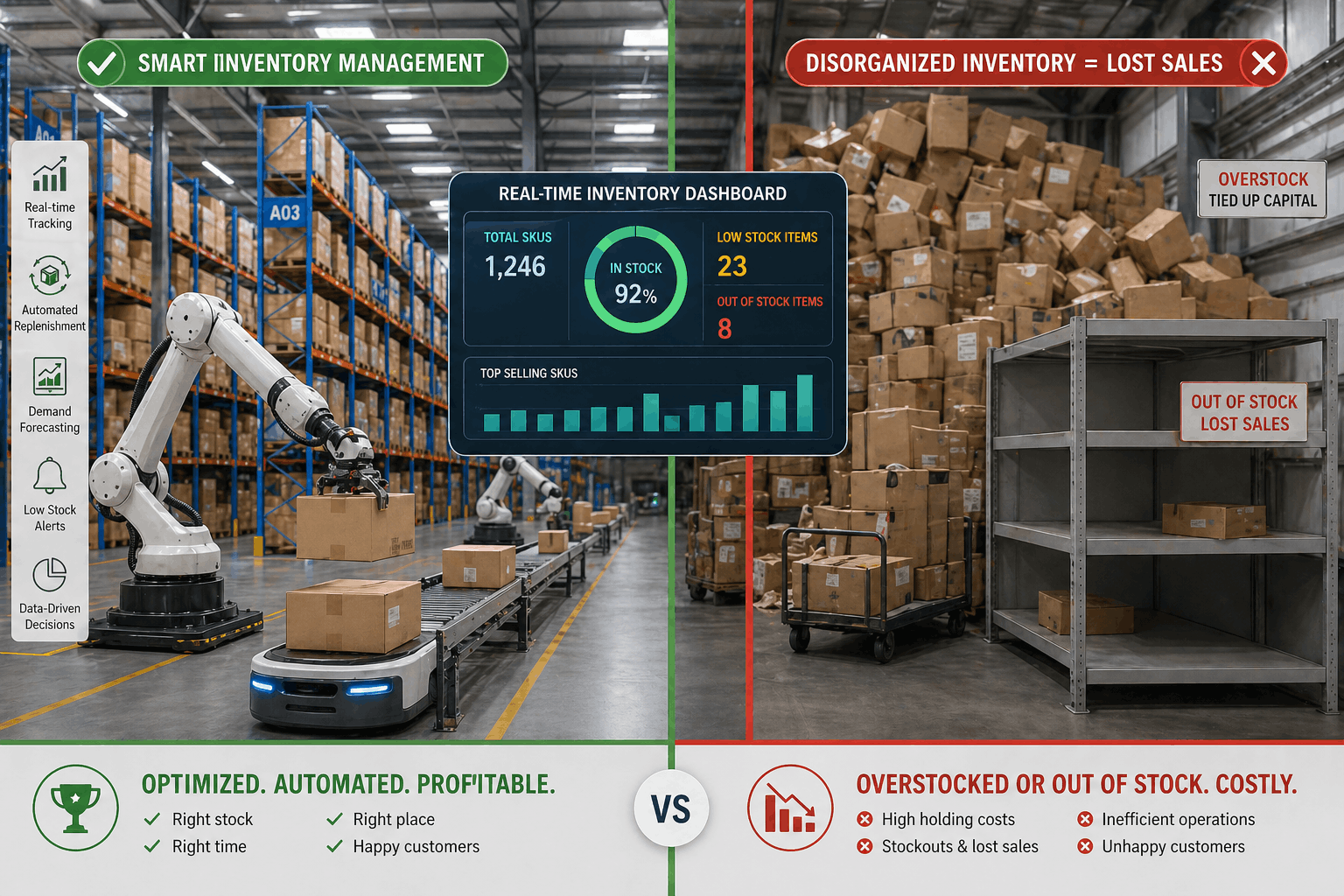
One of the most insidious and financially damaging mistakes for e-commerce merchants is poor inventory management, oscillating between the costly extremes of overstocking and understocking. Both scenarios drain capital, frustrate customers, and hinder cash flow.
My personal experience consulting for a fashion retailer taught me the hard way: they had seasonal stock sitting in warehouses for years, incurring storage costs and tying up capital, while their best-selling items were constantly out of stock, leading to furious customers and lost sales.
Lack of Demand Forecasting: Without analyzing historical sales data, market trends, and seasonality, merchants cannot accurately predict future demand, leading to imbalances.
Inefficient Storage Solutions: Disorganized warehouses or inefficient fulfillment processes lead to slower picking times, increased errors, and higher operational costs.
Ignoring Stockout Data: Not tracking how often popular items are out of stock means missing opportunities to replenish and satisfy demand, directly impacting sales and customer loyalty.
No Obsolete Stock Strategy: Products that don’t sell need to be identified and moved, even at a loss, to free up capital and warehouse space. Letting dead stock accumulate is a silent killer.
Manual Tracking Errors: Relying solely on manual spreadsheets for inventory tracking is prone to human error, leading to inaccurate stock counts and operational chaos, especially for growing businesses.
Strategies to Correct Costly Errors
Correcting these common mistakes requires a blend of strategic planning, technological adoption, and a customer-centric mindset, ensuring long-term success for e-commerce entrepreneurs. Proactive implementation of these strategies can transform a struggling business into a thriving one.
Optimize Sales Funnel Strategies with the AIDA Formula
To significantly improve conversion rates for D2C brands, optimize your sales funnel by meticulously applying the AIDA formula to every stage of the customer journey. This means tailoring your content, calls to action, and user experience to guide customers seamlessly from discovery to purchase. For instance, at the “Interest” stage, instead of just product listings, provide engaging blog posts, comparison guides, or video testimonials to educate and build rapport.
Awareness Stage:
Strategy: Drive traffic with broad appeal content.
Tactics: SEO-optimized blog posts, social media campaigns, influencer marketing, Google Ads.
Goal: Introduce your brand and products to a new audience.
Interest Stage:
Strategy: Engage visitors with valuable information.
Tactics: Detailed product pages, comparison charts, customer reviews, explainer videos, email newsletters (for lead capture).
Goal: Educate potential customers and address their needs.
Desire Stage:
Strategy: Build emotional connection and urgency.
Tactics: Testimonials, case studies, limited-time offers, personalized recommendations, live chat support.
Goal: Convince customers that your product is the best solution for them.
Action Stage:
Strategy: Facilitate a smooth and secure purchase.
Tactics: Streamlined checkout, multiple payment options (including local Indian payment gateways like UPI, net banking), clear shipping policies, money-back guarantees.
Goal: Convert interest into a completed sale.
Post-Action (Retention):
Strategy: Foster loyalty and repeat business.
Tactics: Post-purchase follow-ups, loyalty programs, exclusive discounts, excellent customer service.
Goal: Turn one-time buyers into repeat customers and brand advocates.
Balance Search Relevance and Sales Velocity with Marketplace SEO Strategies
To make your brand prominent and product listings enticing on marketplaces, proactively balance search relevance and sales velocity using targeted SEO strategies. This involves optimizing product titles, descriptions, and backend keywords not just for what customers search, but also for what the marketplace algorithms prioritize. For example, a product title should include both the main keyword and key attributes, while the description should leverage secondary keywords and benefits to capture interest and drive conversions, which in turn boosts sales velocity, further improving ranking.
Conduct Thorough Keyword Research:
Action: Use marketplace-specific keyword tools (e.g., Amazon Keyword Planner, Flipkart Ads insights) and general tools like Google Keyword Planner to identify high-volume, relevant search terms.
Insight: Include long-tail keywords that capture specific customer intent.
Optimize Product Titles:
Action: Include primary keywords, brand name, and key product attributes (e.g., color, size, material) within the character limits.
Example: “Brand Name | Organic Cotton King Size Bedsheet | 300 TC | White & Blue Geometric Print”
Craft Compelling Product Descriptions:
Action: Write benefit-driven descriptions that address customer pain points, incorporate secondary keywords naturally, and use bullet points for readability.
Tip: Highlight unique selling propositions (USPs) specific to the regional market, such as suitability for climate or cultural events.
Enhance Product Images and Videos:
Action: Use high-resolution, multiple-angle images and consider short product videos. Images should clearly showcase the product and its usage.
Impact: Visually appealing content significantly boosts click-through rates and conversion, which are key marketplace ranking factors for catalog performance.
Leverage Backend Search Terms:
Action: Utilize all available backend keyword fields in your seller dashboard with relevant search terms that might not fit into the visible title or description.
Caution: Avoid keyword stuffing; focus on relevant synonyms and variations.
Prioritize Customer Reviews and Ratings:
Action: Actively solicit reviews and respond professionally to all feedback. High ratings and a good volume of reviews signal trust and quality to both customers and marketplace algorithms.
Rule: Higher review scores often correlate with better marketplace discoverability.
Manage Inventory and Fulfillment Effectively:
Action: Ensure consistent stock availability and fast, reliable shipping. Use marketplace fulfillment services (e.g., FBA for Amazon, Flipkart Advantage) if feasible, as they often boost visibility.
Result: Reliable service improves sales velocity and enhances overall catalog performance metrics.
Harness the Power of Customer Feedback
To harness the power of feedback, actively engage with customers by implementing robust review systems and responding thoughtfully to all feedback, demonstrating that your brand listens and values their input.
This practice not only provides direct insights for product and service improvements but also builds a strong community around your brand and boosts consumer confidence. I’ve seen businesses completely overhaul a problematic product feature simply because multiple customers pointed it out in reviews, leading to a much better product and renewed trust.
Implement a Review System:
Action: Integrate a user-friendly review platform on your D2C site or actively encourage reviews on marketplaces. Send post-purchase email requests for feedback.
Benefit: Collects social proof that influences new buyers.
Respond to All Reviews (Positive & Negative):
Action: Thank customers for positive reviews. For negative feedback, acknowledge the issue, apologize, and offer a solution or further assistance. Respond publicly and follow up privately if necessary.
Impact: Shows empathy, transparency, and a commitment to customer satisfaction.
Analyze Feedback for Trends:
Action: Regularly categorize and analyze feedback to identify common pain points, popular requests, or recurring issues with products or services.
Outcome: Provides actionable data for product development, operational adjustments, and marketing messages.
Create a Feedback Loop with Product/Operations Teams:
Action: Ensure customer service teams regularly relay synthesized feedback to product development, logistics, and marketing departments.
Goal: Make customer voice central to continuous improvement initiatives.
Showcase Testimonials:
Action: Feature glowing testimonials on product pages, landing pages, and social media. User-generated content is highly persuasive.
Strategy: Use video testimonials or customer stories for enhanced engagement.
Balance Your Stock Smartly
To balance your stock smartly, invest in inventory management tools and adopt data-driven forecasting methods to track what sells, what doesn’t, and accurately project future demand. This allows you to optimize stock levels, prevent both costly overstocking and damaging stockouts, and maintain efficient operations. My experience shows that businesses moving from manual tracking to an automated system often see an immediate reduction in carrying costs and a significant improvement in order fulfillment rates within the first six months.
Invest in Inventory Management Software (IMS):
Action: Implement an IMS that integrates with your e-commerce platform and marketplaces. This provides real-time stock levels, automates reorder points, and tracks inventory movement.
Consider: Solutions like Zoho Inventory, TallyPrime with inventory modules, or dedicated e-commerce IMS.
Utilize Data for Demand Forecasting:
Action: Analyze historical sales data (weekly, monthly, annually), consider seasonality (e.g., Diwali, Holi, wedding seasons in India), promotional events, and market trends to predict future demand.
Method: Combine quantitative data with qualitative insights from marketing and sales teams.
Implement ABC Analysis:
Action: Categorize your products into A (high-value, fast-moving), B (medium-value, medium-moving), and C (low-value, slow-moving) based on their contribution to revenue.
Strategy: Focus more resources on managing ‘A’ items, ensuring they are rarely out of stock, while managing ‘C’ items more cautiously.
Set Reorder Points and Safety Stock Levels:
Action: Define minimum stock levels that trigger reorders and maintain a safety stock buffer to guard against unexpected spikes in demand or supply chain delays.
Calculation: Consider lead times from suppliers and average daily sales.
Regularly Conduct Stock Audits:
Action: Perform periodic physical counts or cycle counts to ensure that your digital inventory records match actual stock levels.
Benefit: Identifies discrepancies early and prevents larger issues.
Develop a Strategy for Dead Stock:
Action: Identify slow-moving or obsolete items. Implement strategies like bundling with popular products, running clearance sales, or donating to clear out inventory.
Goal: Free up capital and storage space.
Conclusion and Your Next Step
The world of e-commerce in is ever-evolving, and so must your approach as an entrepreneur. Successfully navigating the complexities of 2026 requires more than just listing products online; it demands strategic sales funnel strategies, relentless conversion optimization, meticulous marketplace and D2C management, and a keen eye on catalog performance. By systematically addressing common mistakes in these areas, particularly regarding customer feedback and inventory management, you can unlock significant growth and build a resilient, profitable online business.
The journey to e-commerce excellence is continuous. Don’t let past errors dictate your future. Take concrete steps today to refine your operations, listen to your customers, and leverage data to make informed decisions.
Ready to improve? Dive deeper into advanced strategies and actionable frameworks. Buy now Mastering Online Sales or Contact Us to discuss your specific strategy.
Don’t repeat the past—shape the future of your brand’s success!