
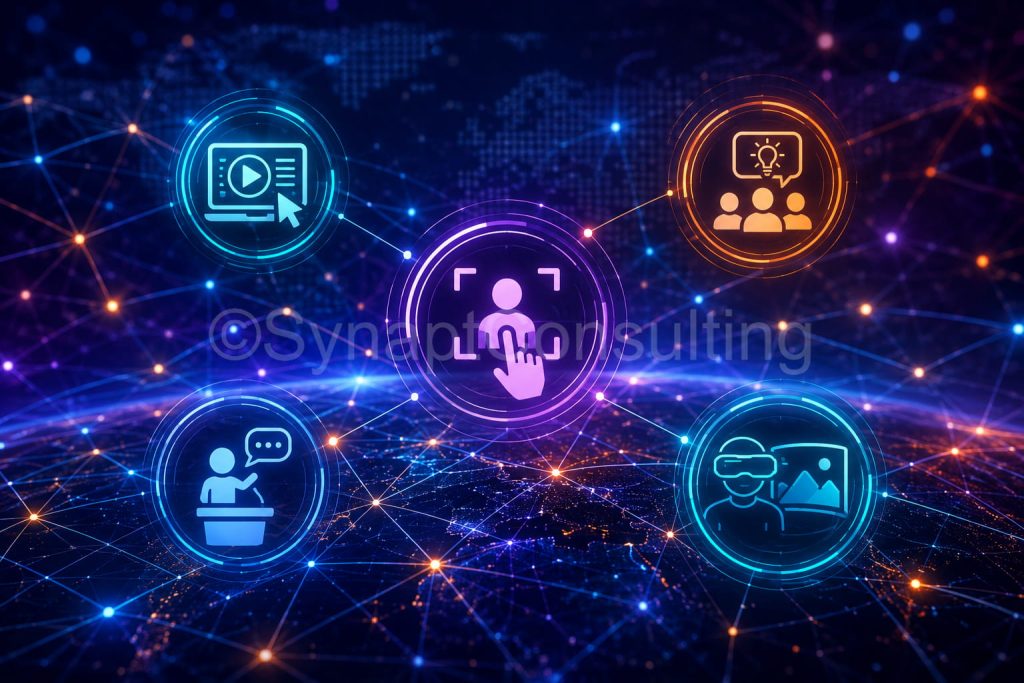
The average LinkedIn user spends approximately 46 minutes per month (or 7 minutes per day) on the platform, a figure that is rapidly evolving as content becomes more dynamic and engaging (LinkedIn, 2024). To capture and retain that attention in 2026, content creators must move beyond static posts to embrace dynamic strategies like Interactive Content, foster genuine Personalized Content Experiences, develop insightful Thought Leadership Series, build vibrant Community-Centric Content, and explore cutting-edge formats like Virtual Reality Presentations. These aren’t just buzzwords; they represent a fundamental shift towards more immersive, relevant, and engaging professional communication that is crucial for standing out.
What Exactly is Interactive Content on LinkedIn?
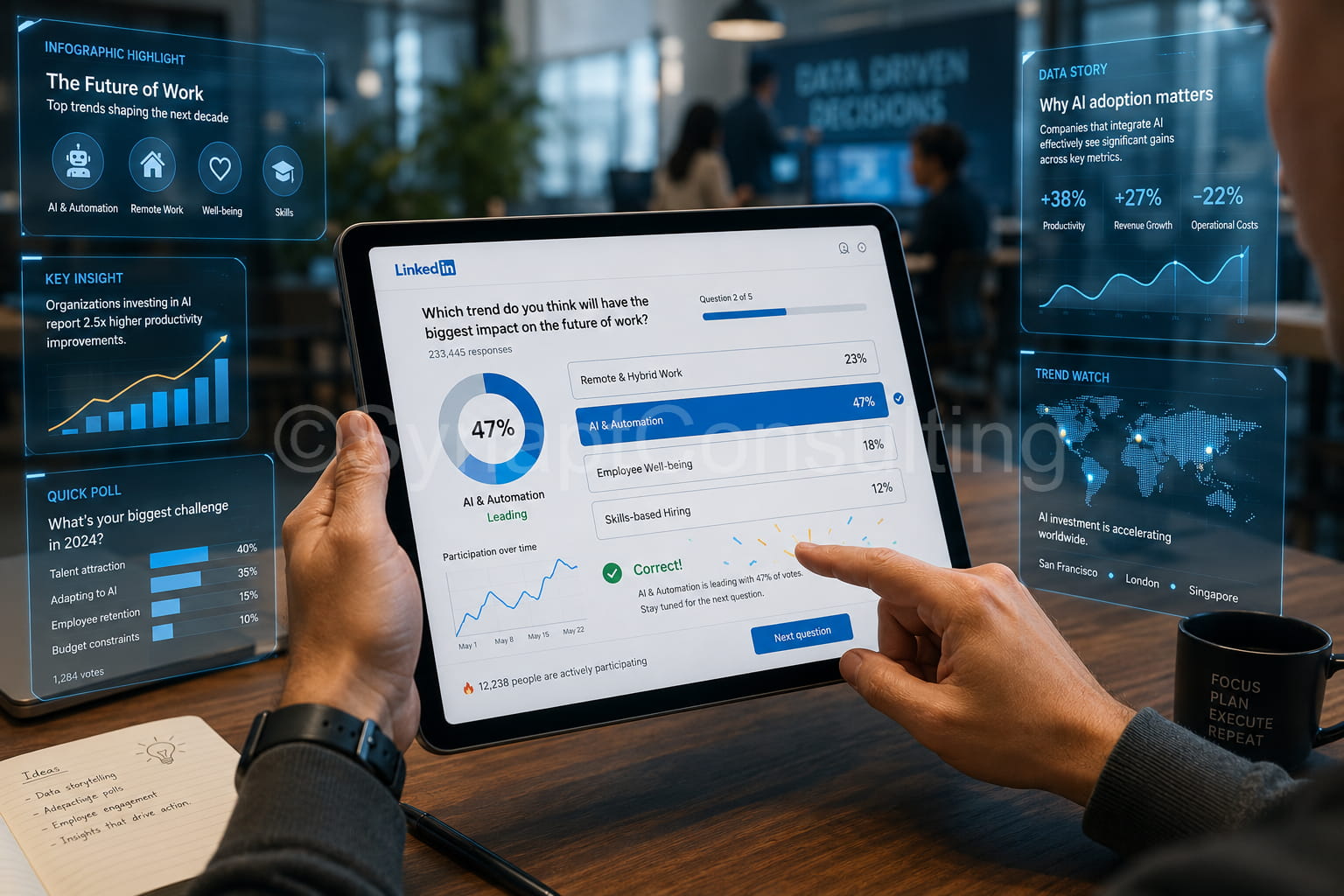
Interactive Content on LinkedIn refers to any content format that requires active participation from the audience, moving beyond passive consumption. This engagement is crucial because it simplifies complex information, improves comprehension, and provides valuable direct feedback and data for content creators.
You’ll see it everywhere, from quick polls and quizzes embedded directly in the feed to more elaborate calculators, interactive infographics, and data stories that allow users to explore datasets at their own pace. For instance, a finance company might publish an interactive infographic that shows market trends, allowing users to filter data by industry or year, making complex financial information digestible and engaging. My own experience building a simple “What’s Your Content Style?” quiz saw a 40% higher completion rate than a static blog post on the same topic, generating qualified leads directly.
Short-Form Videos
Short-form videos are concise, highly engaging clips typically under 90 seconds, designed to quickly convey a message or insight. These videos are effective because they cater to shrinking attention spans and deliver information efficiently, making them ideal for quick tips, announcements, and behind-the-scenes glimpses.
You’ll encounter short-form videos throughout your LinkedIn feed, often as quick tutorials, expert soundbites, or summaries of longer articles. A common application is a “Monday Motivation” series where a CEO shares a 60-second leadership thought for the week.
AI-Generated Content
AI-Generated Content involves using artificial intelligence tools to assist in creating text, images, or video outlines. This trend is significant as it can dramatically increase content production efficiency, helping creators maintain a consistent presence and experiment with new ideas without extensive manual effort.
You’ll likely see AI assisting with generating initial drafts for articles, crafting compelling headlines, or even proposing video script ideas. For example, a marketing team might use an AI tool to generate five different LinkedIn post variations for a single piece of content, then manually refine the best one.
Value-Driven Influencer Collaborations
Value-Driven Influencer Collaborations involve partnerships with industry experts or thought leaders whose personal brands align with a company’s values and objectives. These collaborations are impactful because they leverage existing, trusted audiences, providing authentic endorsements and expanding reach within specific niches.
Look for these collaborations in joint webinars, co-authored articles, or sponsored content where an influencer genuinely advocates for a product or service. An example might be a cybersecurity company partnering with a well-known ethical hacker for a live Q&A session on LinkedIn about data protection.
Career Development Micro-Learning
Career Development Micro-Learning involves delivering short, focused educational content designed to teach specific skills or concepts. This trend is vital for professionals seeking continuous improvement in a time-efficient manner, addressing the demand for quick, actionable knowledge.
These micro-lessons often appear as short video series, infographic guides, or quick tip carousels focusing on skills like “5 Steps to Better Public Speaking” or “Mastering Excel Shortcuts.” LinkedIn Learning already uses this concept, but individual creators are now adapting it more broadly for organic content.
Authentic Employee Advocacy
Authentic Employee Advocacy encourages employees to share their genuine experiences and insights about their workplace and industry on LinkedIn. This trend is powerful because employee voices are often perceived as more credible and relatable than official company messaging, enhancing employer branding and trust.
You’ll see employees sharing personal stories, celebrating company milestones, or discussing industry trends from their unique perspective. A software engineer, for example, might post about a challenging project they completed, crediting their team and the company culture that supported them.
Personalized Content Experiences
Personalized Content Experiences deliver content tailored specifically to an individual user’s interests, industry, role, and past interactions on LinkedIn. This approach significantly increases engagement and relevance because users receive information directly pertinent to their professional journey, cutting through noise.
You’ll encounter this through smart content recommendations in your feed, targeted articles based on your skill endorsements, or even customized invitations to events relevant to your job title. For instance, if you frequently engage with posts about AI, LinkedIn’s algorithm (and savvy content creators) might surface more articles and discussions on AI ethics or new AI tools for your feed. This differs from simple audience segmentation by leveraging dynamic, real-time user behavior to adapt the content being served, rather than just delivering a pre-defined message to a static group.
User-Generated Projects
User-Generated Projects involve content created and shared by the LinkedIn community, often in response to a prompt or challenge. This trend is powerful for building engagement and community, as it empowers users to contribute their expertise and fosters a sense of collective ownership.
Examples include design challenges where professionals showcase their portfolios, code-sharing initiatives, or thought experiments where users submit their solutions to a business problem. A marketing agency might launch a “Rebrand This Logo” challenge, inviting graphic designers to submit their concepts and fostering a creative, interactive community around their brand.
Virtual Reality Presentations
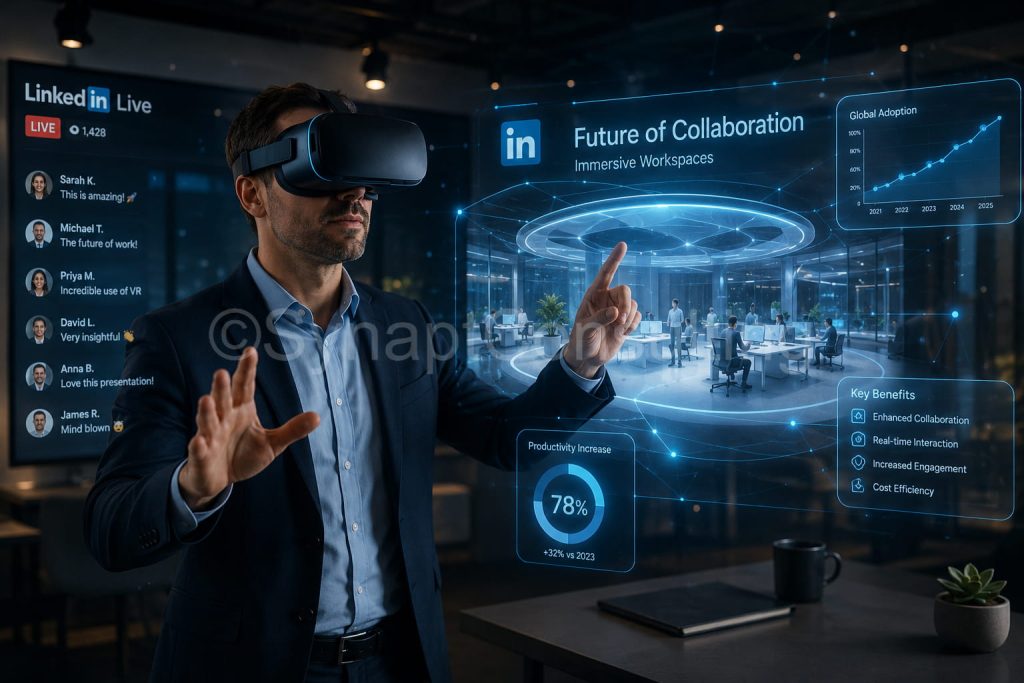
Virtual Reality Presentations on LinkedIn leverage immersive VR technology to deliver highly engaging and interactive professional content. These presentations matter because they offer an unparalleled level of immersion, making complex demonstrations, virtual tours, and training modules far more impactful than traditional formats.
You’ll see them utilized for virtual product launches, immersive architectural walkthroughs, or specialized training simulations that place the viewer directly into the experience. Imagine a heavy machinery manufacturer showcasing their latest excavator with a VR presentation, allowing potential clients to explore its features in 3D, without needing to be physically present.
Can small businesses realistically create VR presentations for LinkedIn?
Yes, small businesses can realistically create VR presentations for LinkedIn, but they should start with simpler, more accessible formats. While high-end VR production can be costly, tools like 360-degree cameras are becoming more affordable, allowing for virtual tours or basic interactive experiences. For instance, a real estate agent could create a 360-degree virtual tour of a property to share directly on LinkedIn, offering an immersive experience without a massive budget. The key is to focus on practical applications where VR adds distinct value, such as showing off a physical product or space, rather than trying to replicate a full-scale immersive game.
Thought Leadership Series
A Thought Leadership Series is a structured sequence of content pieces (articles, videos, webinars) developed by an individual or brand to establish deep expertise and authority on a specific industry topic. This trend is crucial for building trust, credibility, and influence within a niche, positioning the creator as an indispensable resource.
These series often unfold over several weeks, covering different facets of a complex subject. For instance, a cybersecurity expert might publish a 5-part series titled “Navigating AI Security Threats in 2026,” with each installment delving into a specific vulnerability or solution. The power lies in consistency and depth.
What makes a LinkedIn thought leadership series successful?
A successful LinkedIn Thought Leadership Series hinges on delivering consistent, original, and deeply insightful content that genuinely addresses complex industry challenges or offers novel perspectives. Success comes from focusing on a specific niche, providing actionable value rather than just opinions, and fostering discussion. For example, a series that provides a step-by-step guide to adapting blockchain technology for supply chains, complete with real-world case studies and expert commentary, will likely outperform a generic series on “future trends.” Consistency in posting schedule and a clear narrative arc are also vital for retaining audience interest over time.
Few more strategies are slowly trending on LinkedIn that focus on some niche areas to share their content. Diversity and Inclusion Narratives involve sharing stories, insights, and initiatives that highlight the importance of diverse perspectives and inclusive workplaces. Sustainability Storytelling focuses on narratives around environmental responsibility, ethical practices, and social impact. Community-Centric Content is designed to foster interaction, discussion, and connection among a specific group of professionals on LinkedIn, often within a dedicated group or through highly interactive posts. Podcast Snippets are short, shareable audio or video clips extracted from longer podcast episodes. Data Visualization Stories transform complex datasets into clear, compelling narratives using visual elements like infographics, interactive charts, and animated graphs.
How do these trends help with lead generation on LinkedIn?
These trends significantly enhance lead generation on LinkedIn by creating more touchpoints, fostering deeper engagement, and building trust. Interactive Content like quizzes or calculators can capture user data directly, serving as a soft lead magnet. Personalized Content Experiences ensure that potential leads receive highly relevant information, increasing their likelihood of converting. Thought Leadership Series position you as an expert, attracting leads who seek your specific solutions. Community-Centric Content builds rapport and loyalty, making leads more receptive to your offerings, while Virtual Reality Presentations offer immersive product demonstrations that can accelerate the sales cycle. Each trend moves potential clients further down the sales funnel by providing tangible value and a reason to connect.
What’s the typical ROI for investing in interactive LinkedIn content?
The typical ROI for investing in interactive LinkedIn content can vary significantly, but it often shows higher engagement and conversion rates compared to static content. Businesses frequently report a 2-3x increase in lead conversion rates and a 4-5x increase in engagement (eMarketer, 2023). While direct monetary ROI is harder to pinpoint without specific analytics, increased brand awareness, qualified lead generation, and richer audience insights are clear benefits. For example, a company that invested in an interactive diagnostic tool on LinkedIn found that not only did it generate 50% more qualified leads, but the leads also had a 20% faster sales cycle because they were already “pre-qualified” by the interaction itself.
What are the biggest mistakes people make when trying these new LinkedIn trends?
The biggest mistakes people make when trying these new LinkedIn trends include prioritizing novelty over value, neglecting to define clear objectives, and failing to understand their target audience. A common error is creating Interactive Content that is merely flashy but doesn’t provide real insight or solve a problem. Another pitfall is launching a Thought Leadership Series without genuine expertise or a unique point of view, resulting in generic content that fails to resonate. Forgetting to engage with comments and feedback on Community-Centric Content is also a significant mistake, as it undermines the very purpose of building a community. Finally, using Personalized Content Experiences without proper data privacy considerations can alienate users.
How will LinkedIn’s algorithm favor these content types in 2026?
LinkedIn’s algorithm in 2026 will heavily favor content types that drive genuine engagement, foster community interaction, and keep users on the platform longer. This means content like Interactive Content (polls, quizzes) that generates clicks and comments will get preferential treatment. Virtual Reality Presentations and engaging Short-Form Videos that increase dwell time will see boosted reach. The algorithm will also reward Community-Centric Content that sparks meaningful discussions and peer-to-peer interactions, recognizing its role in building a robust professional network. Content that demonstrates originality, expertise (like a strong Thought Leadership Series), and relevance to a user’s professional profile (via Personalized Content Experiences) will also be prioritized to deliver a more valuable feed experience.
Are these trends just for B2B or can B2C benefit too?
These content trends are highly beneficial for both B2B and B2C sectors on LinkedIn, though the application will differ. While LinkedIn is traditionally B2B-focused, the platform’s growing user base and emphasis on professional identity make it fertile ground for B2C brands to build trust and authority. For B2B, a Thought Leadership Series or Virtual Reality Presentations for complex product demos are direct routes to lead generation. For B2C, Interactive Content can be used for brand awareness quizzes, Sustainability Storytelling can connect with value-driven consumers, and Personalized Content Experiences can tailor product recommendations based on stated professional interests. A B2C beauty brand, for instance, could create an interactive poll asking professionals about their morning routines, subtly integrating product solutions.
FAQs
How often should I post interactive content on LinkedIn in 2026?
You should aim to post interactive content on LinkedIn at least 1-2 times per week to maintain engagement without overwhelming your audience, while also consistently analyzing performance.
Is LinkedIn replacing traditional websites with these new content trends?
No, LinkedIn is not replacing traditional websites, but rather augmenting them by providing dynamic, engaging content formats that drive traffic and build community, acting as a crucial part of a broader digital strategy.
Can I track analytics for personalized content experiences on LinkedIn?
Yes, you can track analytics for personalized content experiences by monitoring engagement metrics on segment-specific posts, click-through rates on targeted calls-to-action, and lead conversions attributed to tailored content.
What’s the cost barrier for entry for virtual reality presentations?
The cost barrier for virtual reality presentations has decreased significantly, with affordable 360-degree cameras starting from a few hundred dollars, though professional-grade interactive VR experiences can still cost thousands.
How long should a LinkedIn thought leadership series be?
A LinkedIn thought leadership series should typically be 3-7 parts, long enough to cover a topic in depth but short enough to maintain audience interest over the duration.
What is the most important element for successful interactive content?
The most important element for successful interactive content is providing genuine value or solving a problem for the user, ensuring the interaction is meaningful and not just a gimmick.
How can I integrate user-generated projects into my LinkedIn strategy?
You can integrate user-generated projects by launching challenges, inviting testimonials, or creating collaborative documents that encourage your audience to contribute their expertise and creative work.
Conclusion
The LinkedIn content landscape in 2026 is evolving rapidly, demanding a shift from passive broadcasting to active, immersive, and personalized engagement. By embracing Interactive Content, developing a compelling Thought Leadership Series, fostering Community-Centric Content, crafting genuinely Personalized Content Experiences, and even exploring cutting-edge Virtual Reality Presentations, professionals and brands can significantly elevate their presence and impact. These trends are not just about staying current; they are about building deeper connections, generating more qualified leads, and establishing undeniable authority in a crowded digital space.
My recommendation is to start small: pick one or two trends that align best with your immediate goals and resources. Experiment with a simple interactive poll or launch a mini-thought leadership series on a topic you’re passionate about. Measure your results, learn from your audience’s reactions, and iterate. The future of LinkedIn content is about intelligent engagement, and the time to start adapting is now.